WALDWICK, NEW JERSEY

A comfortable home.
A clearer next step.

Heating and cooling questions in Waldwick? Start with the room that feels wrong, the sound that changed, or the system that no longer keeps up.

Know your options. Choose your next step.
Illustration of a suburban home with an outdoor HVAC unit

START HERE

You know the problem.
You do not need the diagnosis.

Choose the change you notice. Each guide explains the questions that matter and the options worth discussing.

The heat is not keeping up.

Cold rooms, repeated furnace starts, or a heating system that has stopped.

The AC runs. The rooms stay warm.

Weak cooling, warm vents, or a system that takes too long to catch up.

One room feels like a different season.

Uneven temperatures can involve airflow, return paths, or controls.

The radiators are slow or noisy.

Steam and hot-water systems need different approaches to distribution.

The air feels stale or dusty.

Start with sources, moisture, ventilation, and compatible filtration.

It may be time for a new system.

Compare condition, repair history, and the full installation plan.

HEATING · COOLING · HOME COMFORT

The right starting point for your system.

Explore equipment-specific guidance instead of a one-size-fits-all answer. Confirm the work needed for your property when discussing a visit.

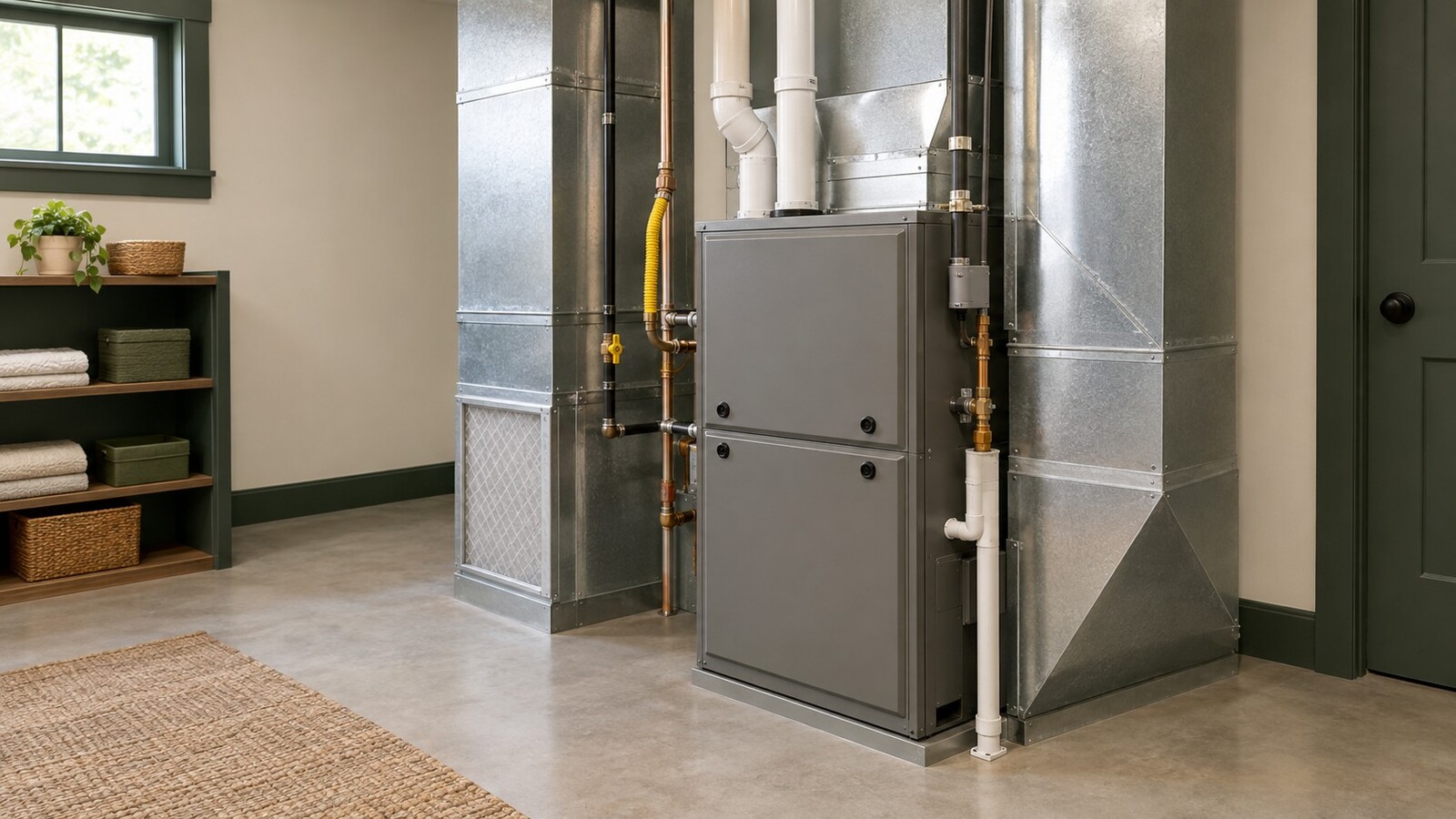
Illustration of a furnace and its heating connections

Furnaces & Heating

No heat, repeated starts, unusual sounds, or rooms that stay cold.

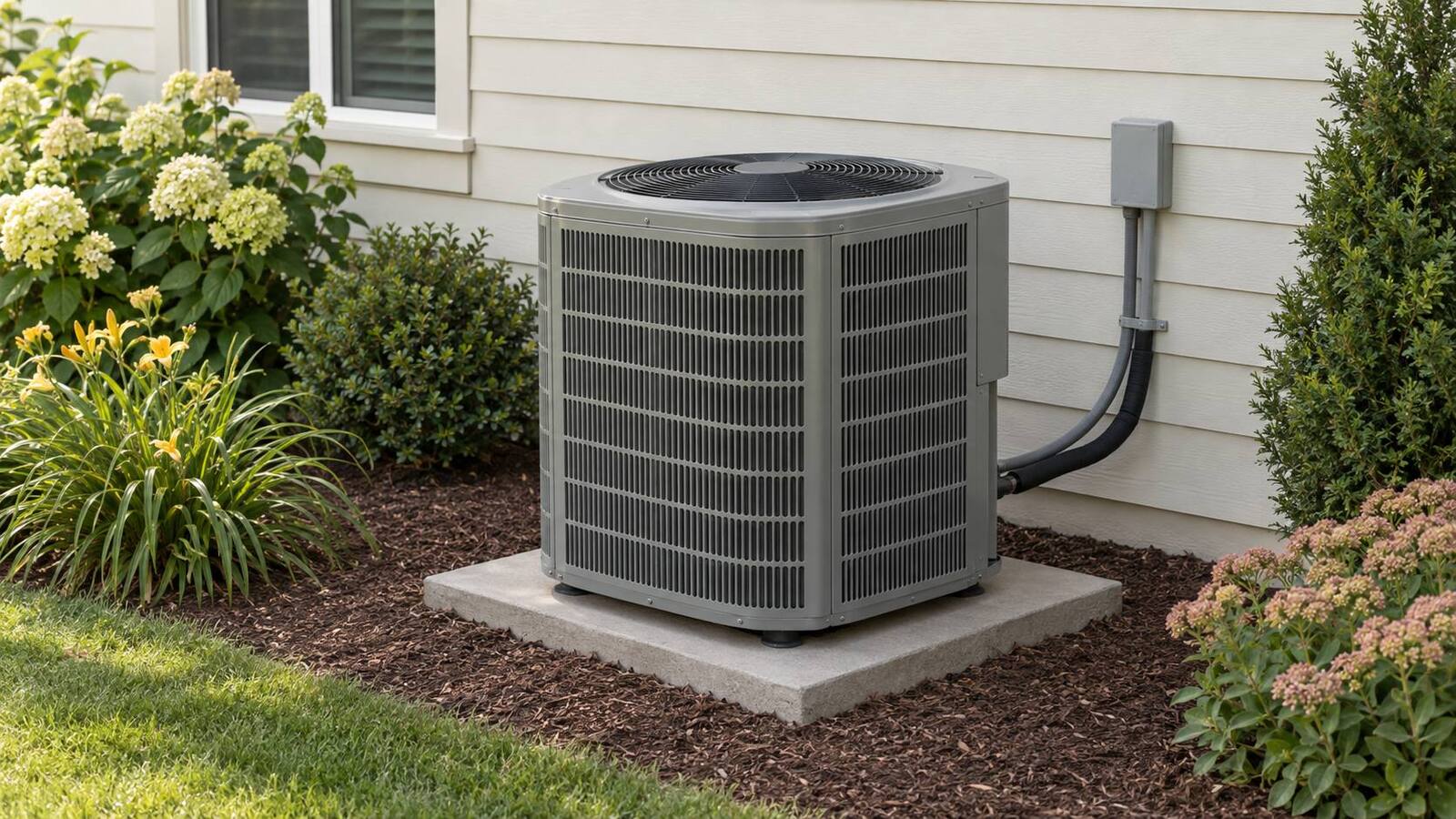
Illustration of an outdoor central air conditioner beside a home

Central Air Conditioning

Warm air, weak cooling, water near the equipment, or uneven room temperatures.

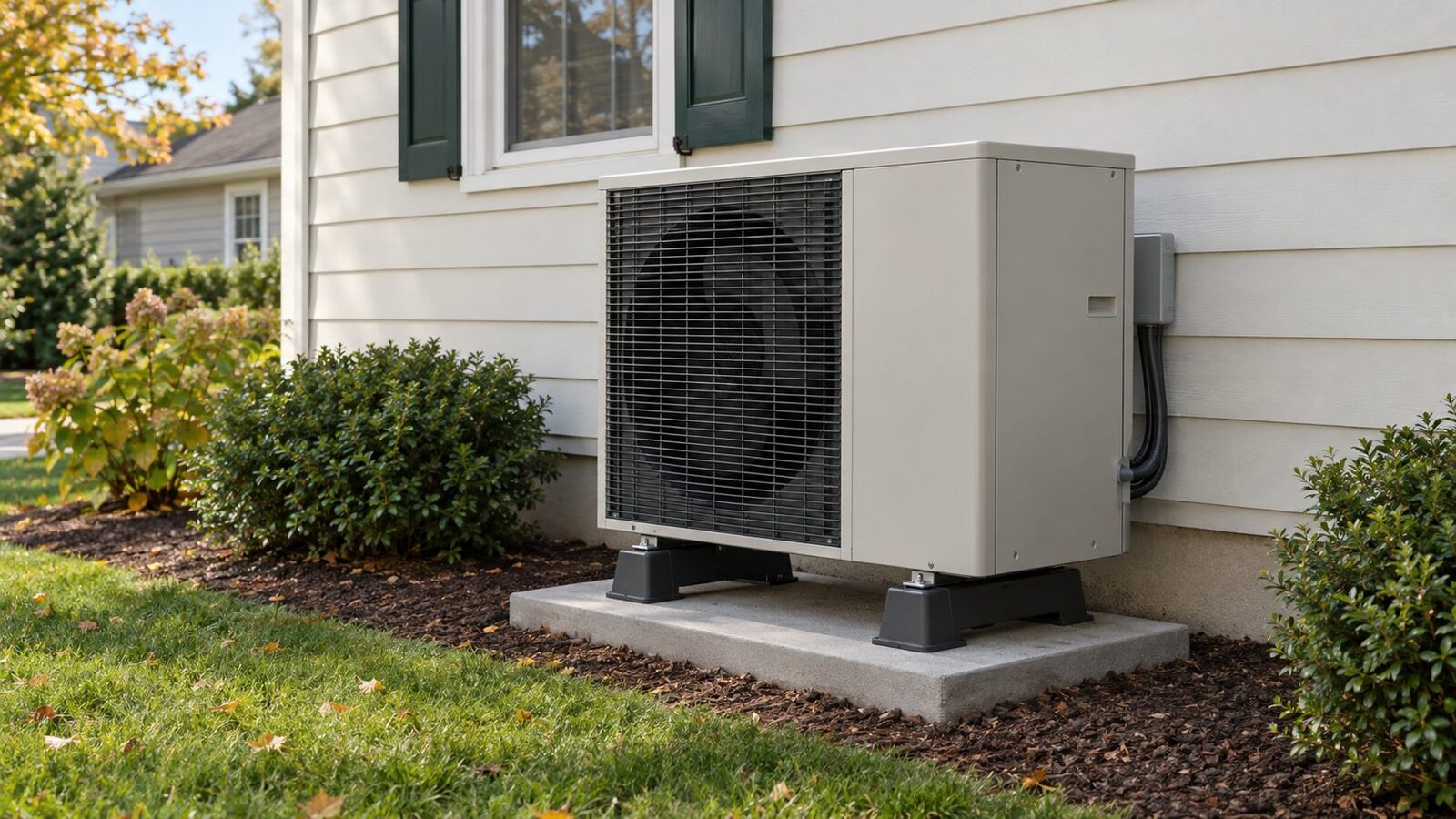
Illustration of an outdoor heat pump at a suburban home

Heat Pumps

Heating and cooling from one system, with attention to controls and cold-weather fit.

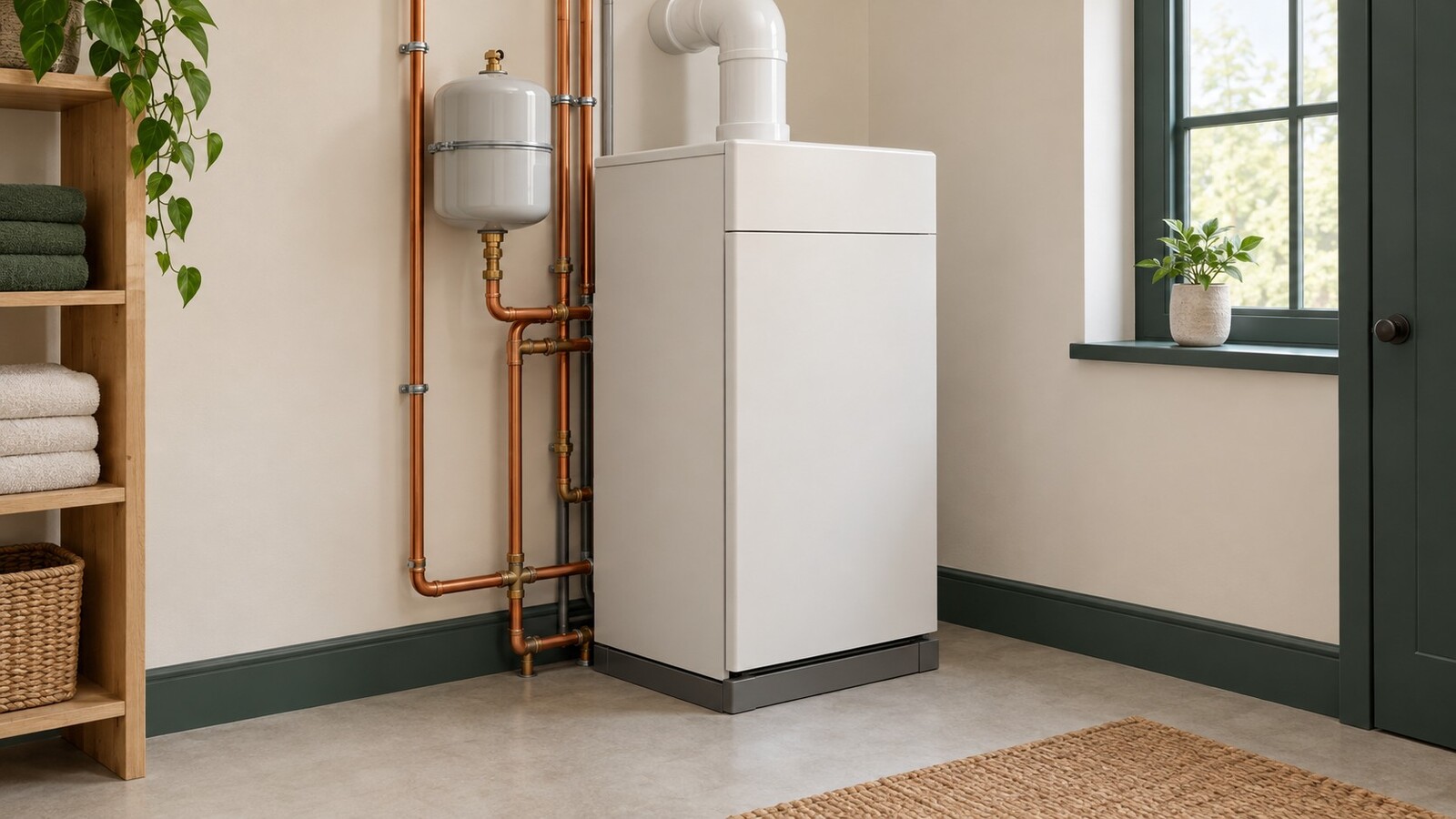
Illustration of a hot-water boiler with heating pipes

Hot-Water Boilers

Cold baseboards, uneven heating zones, leaks, or changes in boiler operation.

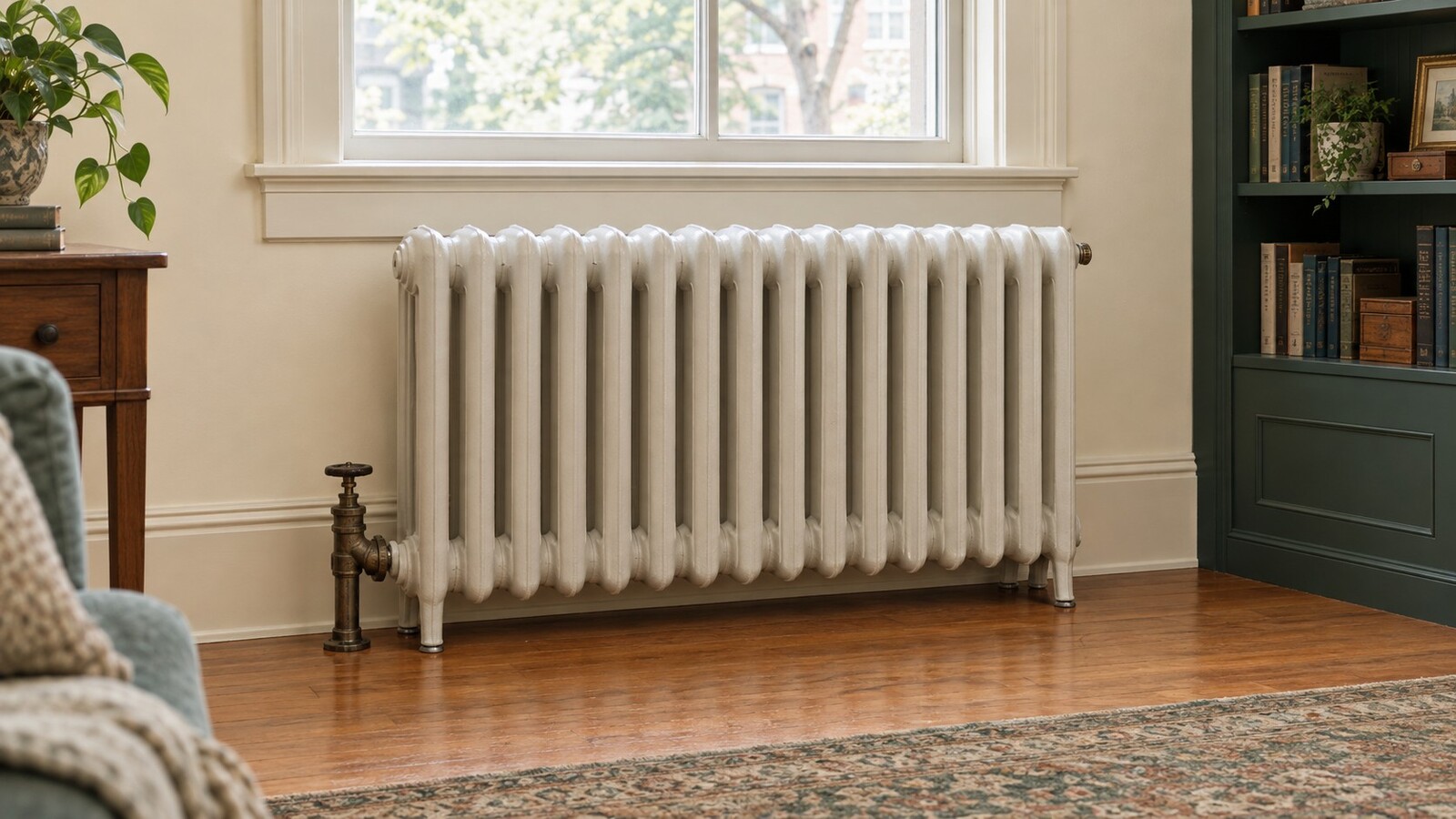
Illustration of a steam radiator in a finished room

Steam Boilers & Radiators

Radiators that heat unevenly, changed steam-system behavior, or pipe noise.

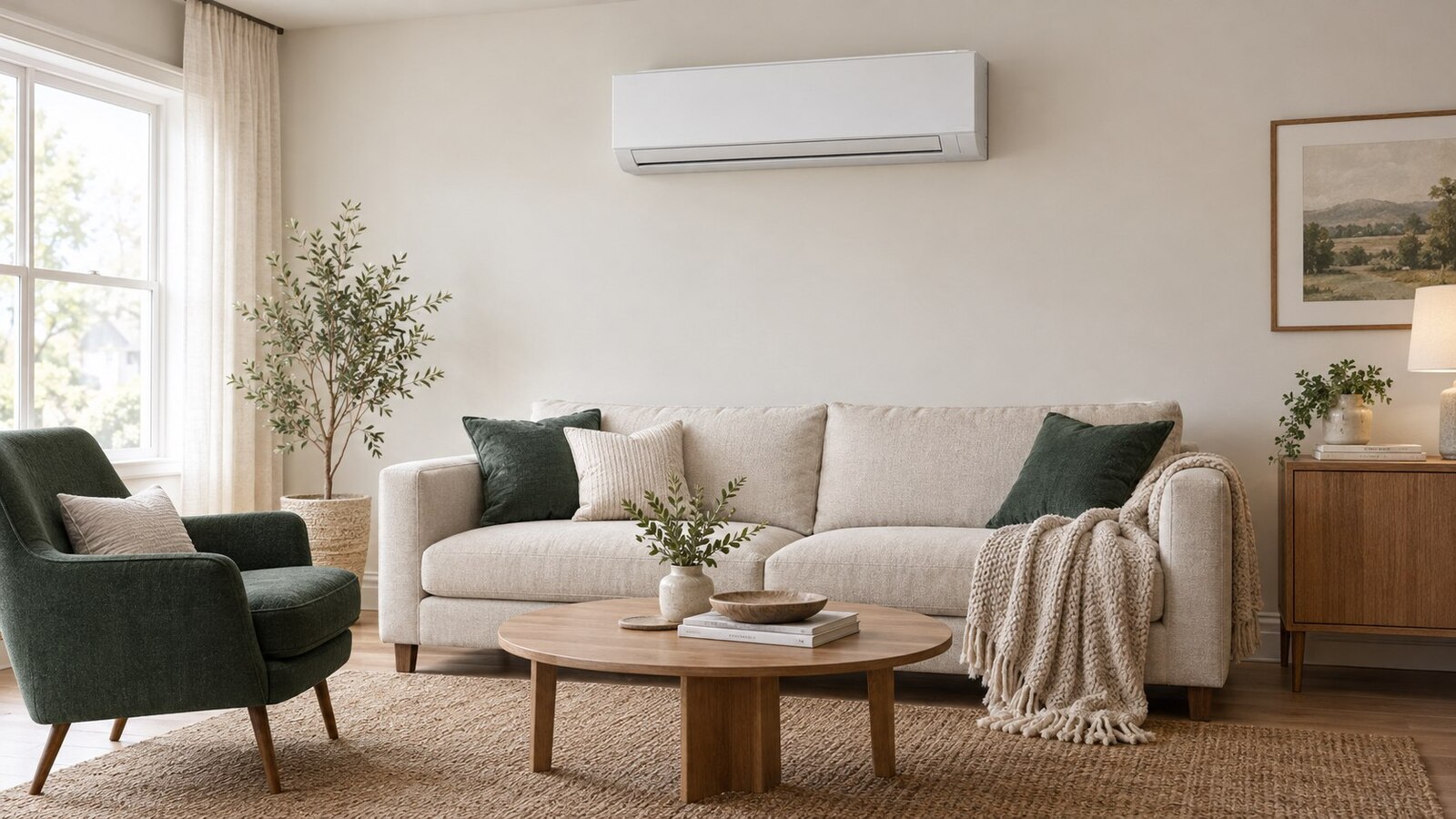
Illustration of a wall-mounted ductless indoor unit

Ductless Mini-Splits

Room-by-room comfort for additions, offices, bedrooms, and spaces without ducts.

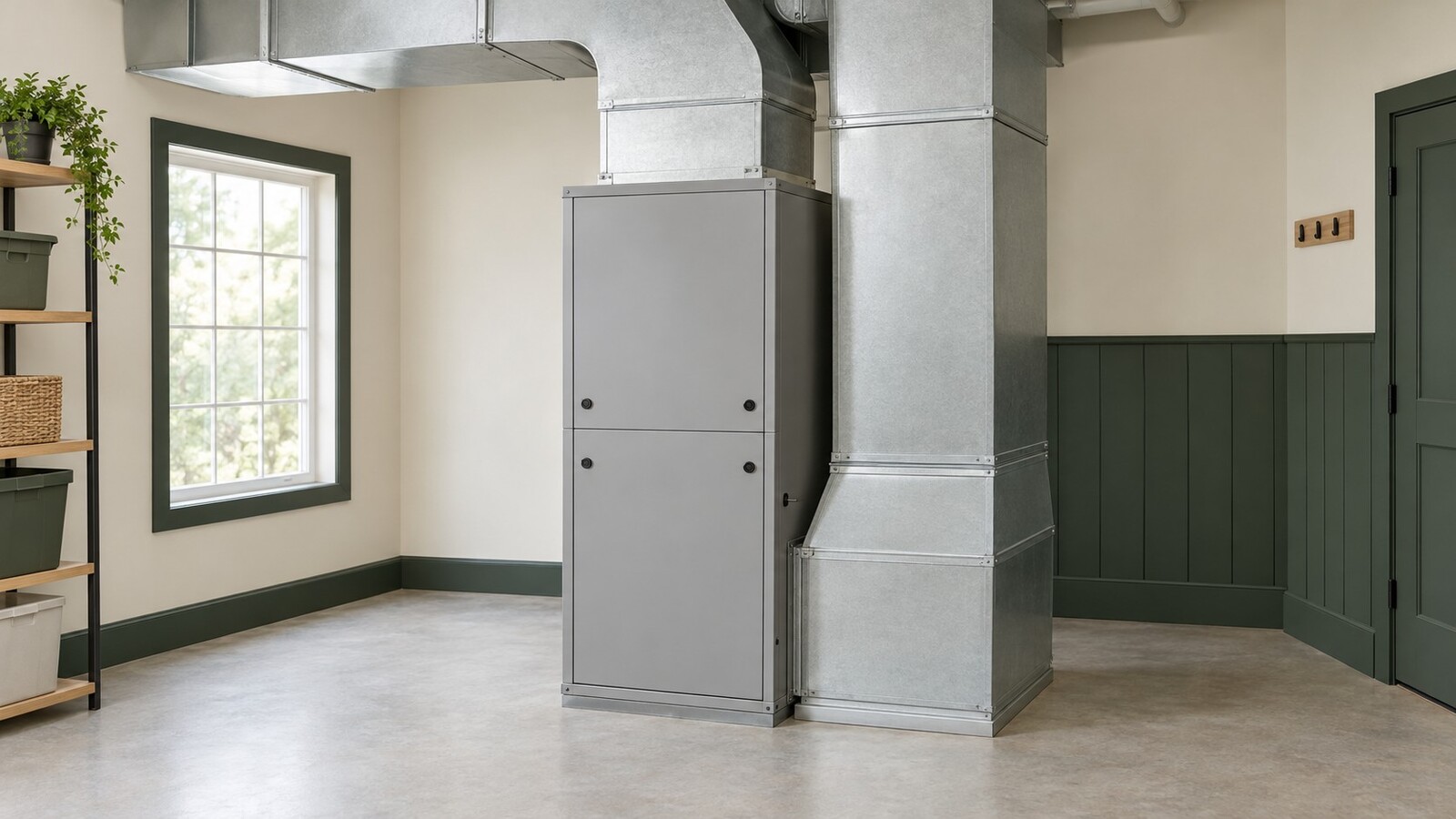
Illustration of a new HVAC system in a utility space

Replacement & Conversions

System changeouts, planned upgrades, and questions about changing the heating setup.

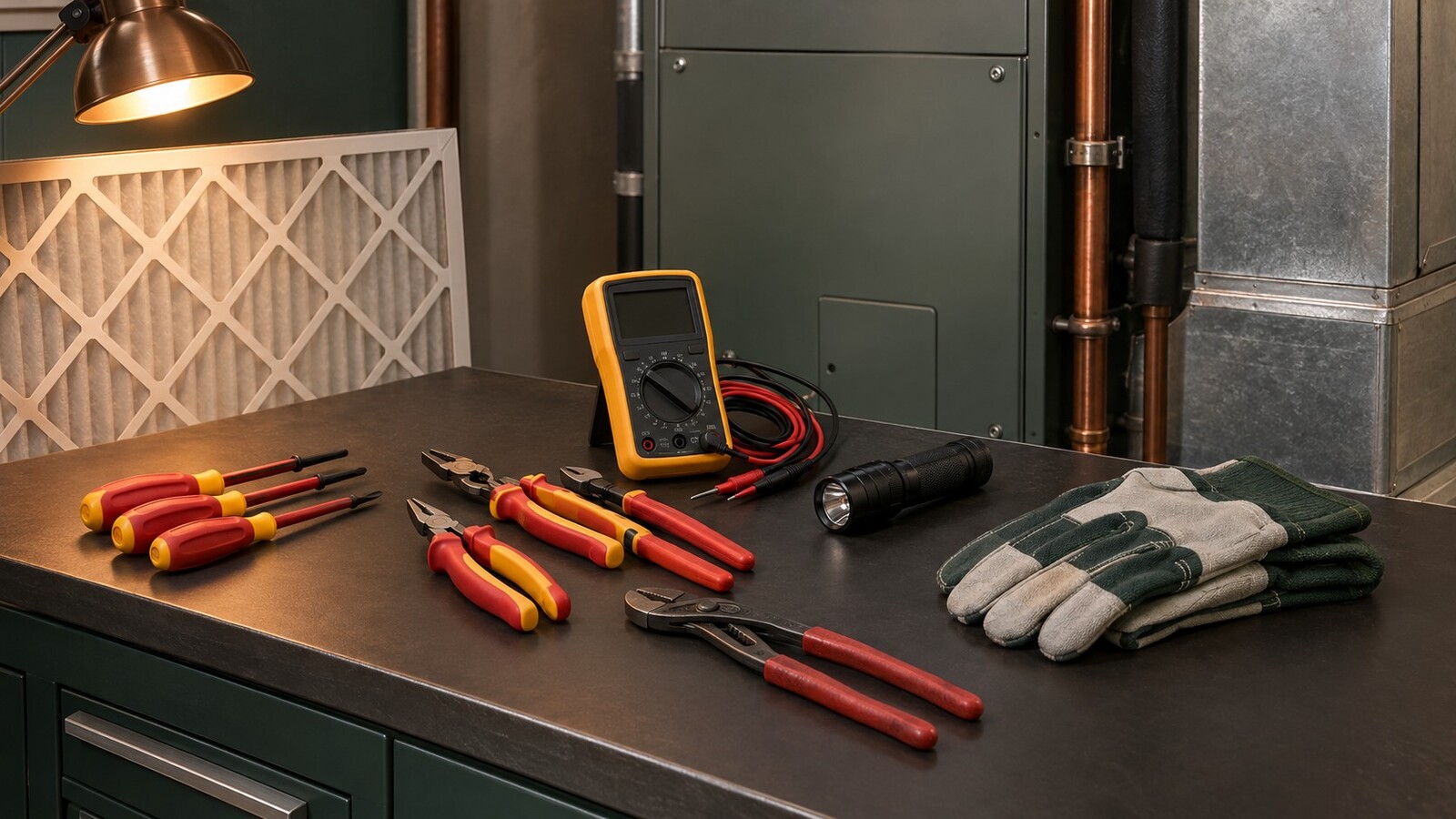
Illustration of HVAC maintenance tools and equipment

Maintenance & Tune-Ups

Equipment-specific seasonal checks, operating observations, and maintenance planning.

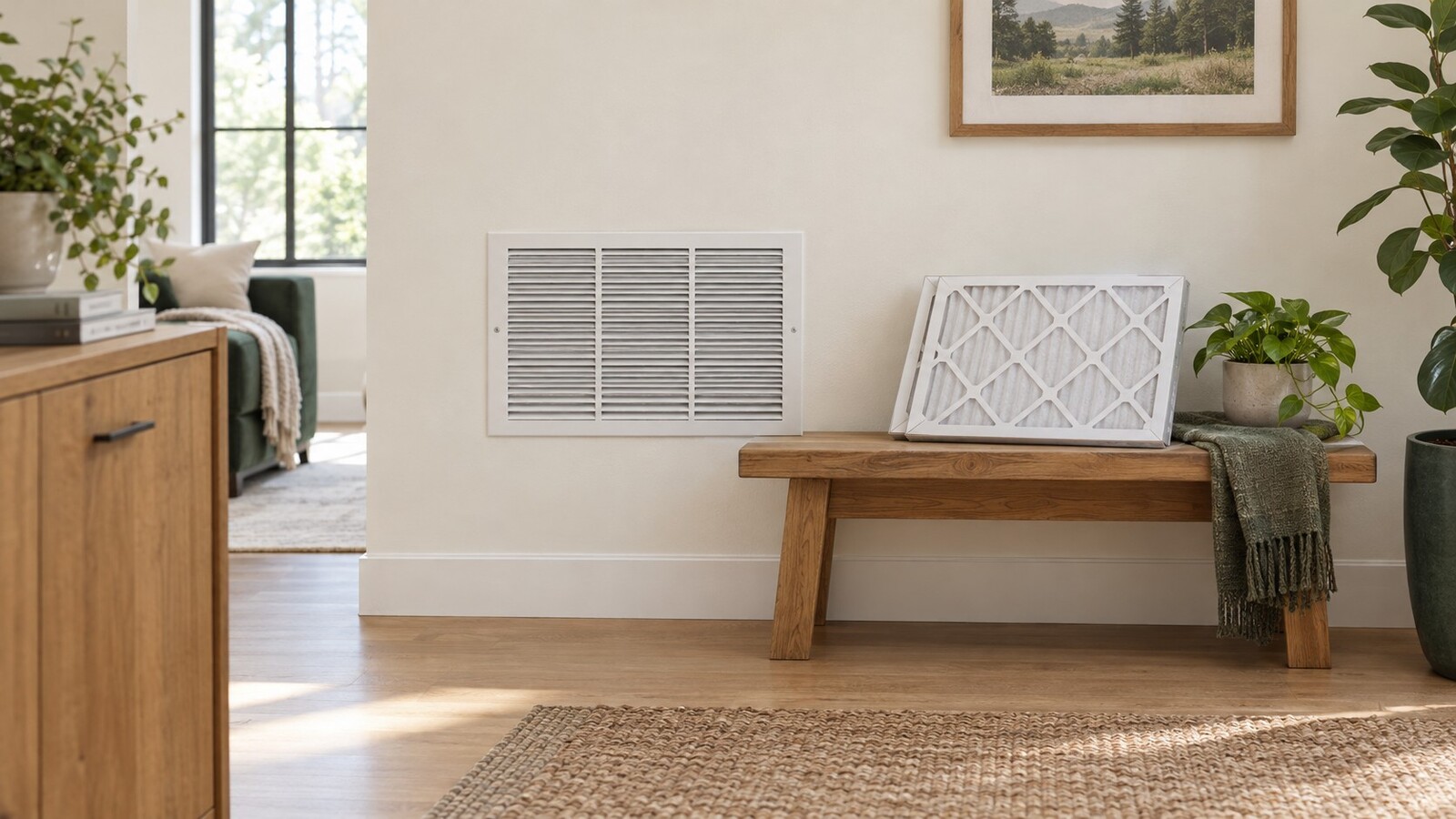
Illustration of a bright living room with ventilation details

Indoor Air Quality

Questions about filtration, ventilation, indoor moisture, dust, or dry air.

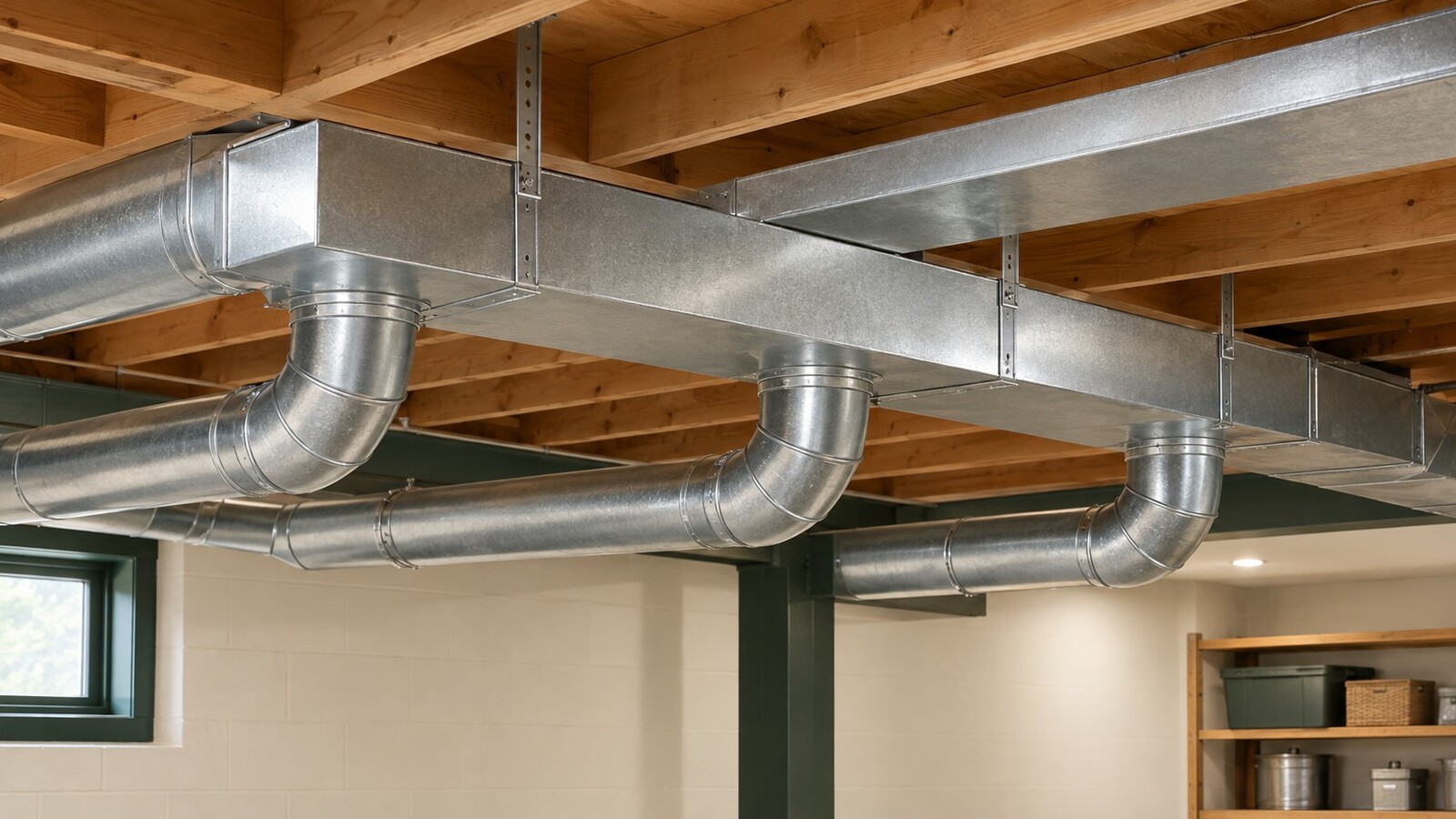
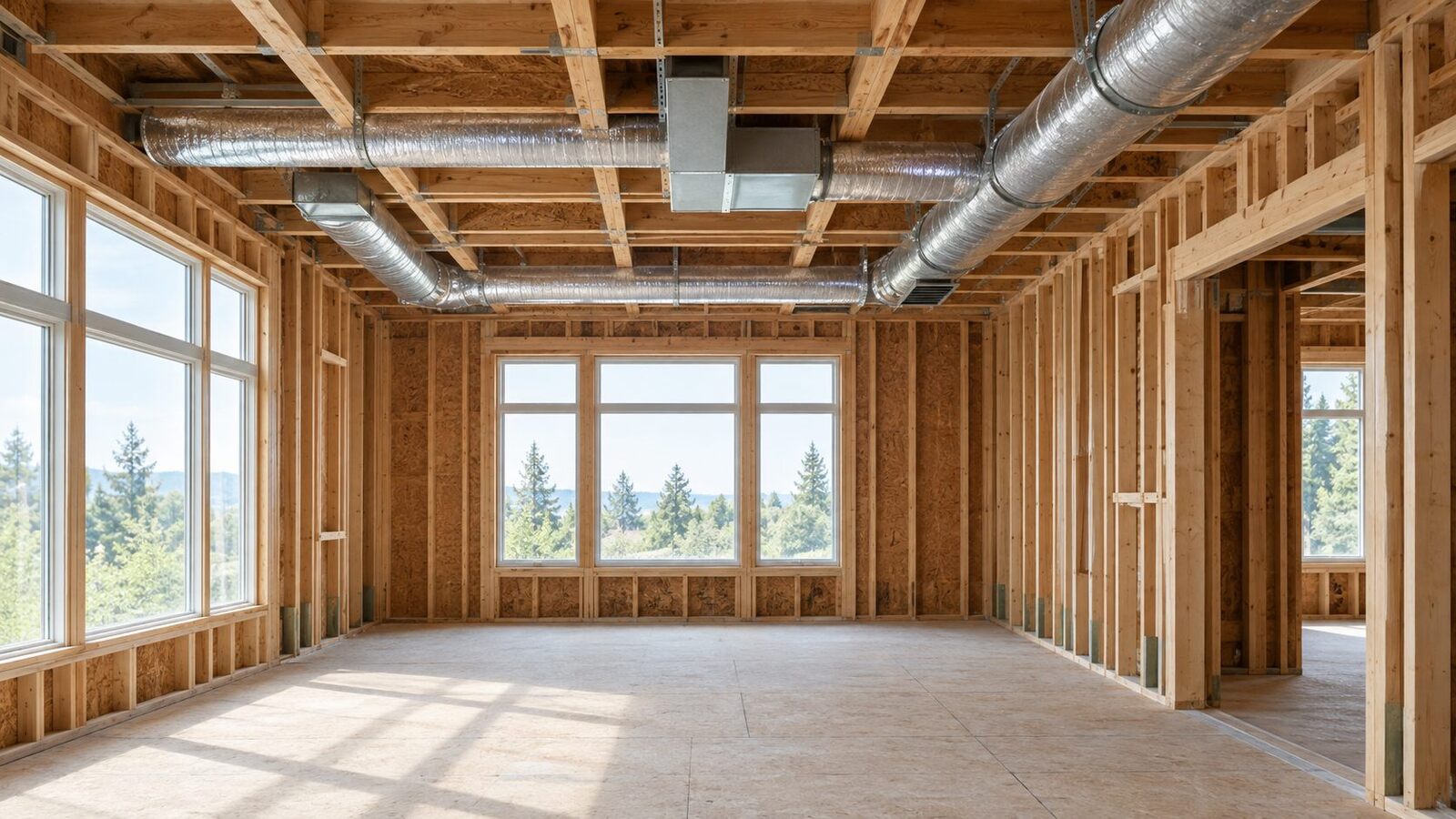
Illustration of insulated HVAC ductwork

Ductwork, Airflow & Zoning

Hot and cold rooms, weak vents, distribution concerns, and zone-control questions.

Illustration of a thermostat mounted on an interior wall

Thermostats & Controls

Temperature settings, schedules, smart-control compatibility, and zone operation.

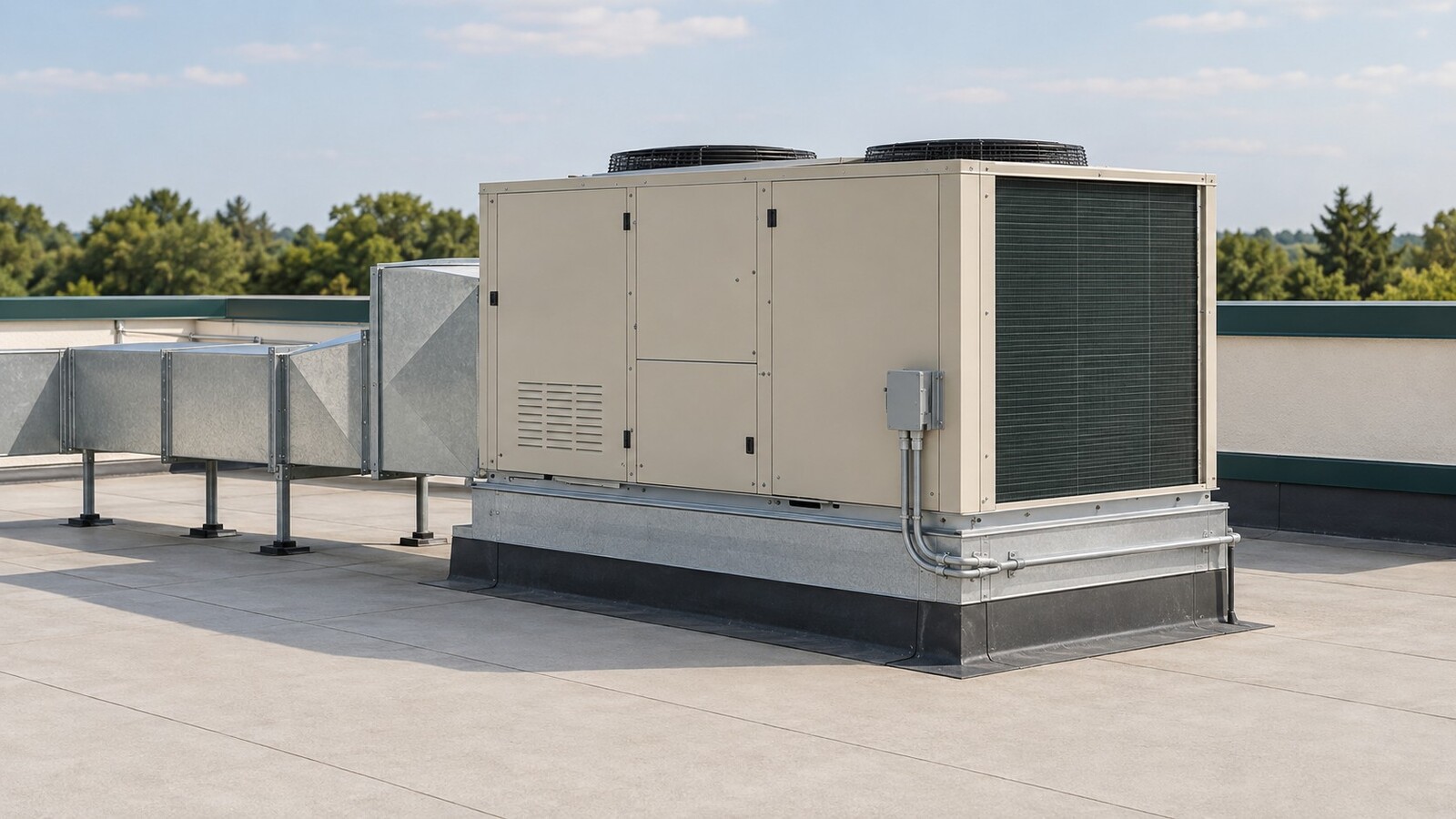
Illustration of commercial heating and cooling equipment

Commercial HVAC

Heating and cooling concerns for offices, shops, and managed properties.

Illustration of home renovation plans and HVAC planning materials

Construction & Renovations

Heating and cooling questions for additions, new spaces, and renovation projects.

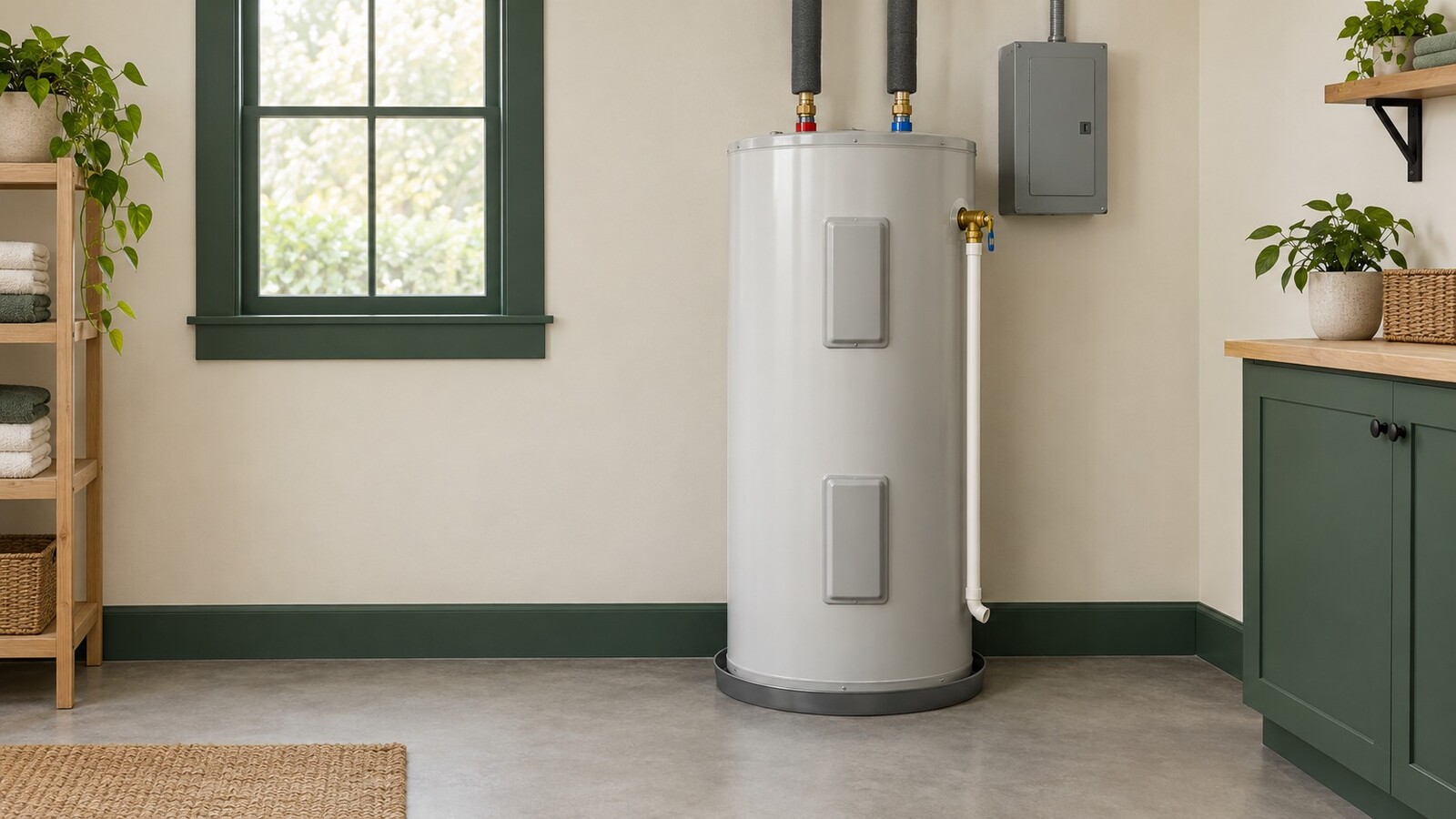
Illustration of a storage-tank water heater in a utility space

Water Heaters

Hot water that runs out early, changed performance, and tank or tankless planning.

Illustration of a comfortable, naturally lit home interior

The equipment is only part of the home.

Comfort depends on how heat or cool air reaches the rooms you use. Ducts, radiators, controls, layout, and changes to the building can all matter.

For a hard-to-comfort room, look at the distribution as well as the main unit. For an addition, plan heating and cooling while room layouts and routes are still flexible.

Explore airflow and zoning or start planning for a renovation.

HOW TO GET STARTED

From a comfort problem to a useful conversation.

Describe the change.

Share your Waldwick location, affected rooms, system type if known, and when the problem began.

Understand the scope.

Ask what an assessment covers, what may need separate work, and how the findings will be explained.

Compare the next steps.

Review the proposed work, scheduling, and pricing directly. An inquiry does not book a visit.

Illustration of HVAC equipment in a utility space

Do not let age make the whole decision.

Older equipment is not automatically beyond repair, and a new unit is not automatically the answer to uneven rooms. Condition, repair history, comfort, and installation scope belong in the same conversation.

Ask what stays, what changes, and how the system will be checked after the work. A clear proposal helps you compare real choices.

Explore replacement and conversion planning.

HOMEOWNER GUIDE

Small observations. Better questions.

Note which rooms are affected, check the selected thermostat mode, and keep your equipment information together. Follow the manufacturer’s instructions for basic care. Leave fuel, refrigerant, pressure, and electrical work to qualified professionals.

If you smell gas or a carbon monoxide alarm sounds, leave the building and contact emergency services or your gas utility from a safe place. Do not wait for a website response.

Start with what changed.

Tell us which rooms are affected, what the equipment is doing, and when the problem began. You can ask a useful question without knowing the name of the broken part.

For your Waldwick property, call (201) 379-9510 or email Info@WaldwickHVAC.com to discuss the next step. Availability, work scope, and pricing are confirmed directly.